

Executive Visibility: Why Leadership Photography Is More Than a Headshot
A professional headshot shows people what a leader looks like. Strategic leadership photography shows people who that leader is, what they represent, and why their work matters.
That distinction is increasingly important.
Executives are no longer visible only in annual reports and formal company announcements. Their images appear across websites, LinkedIn profiles, press releases, conference promotions, media interviews, social platforms, recruitment campaigns, presentations, and thought-leadership content.
Every photograph becomes part of the organization’s public identity.
For purpose-built brands—organizations driven by a meaningful mission rather than visibility for visibility’s sake—leadership photography should communicate credibility, confidence, accessibility, and purpose. It should support both the executive’s personal reputation and the organization’s larger growth goals.
This is why leadership photography is more than a headshot. It is a strategic business asset.
What Is Leadership Photography?
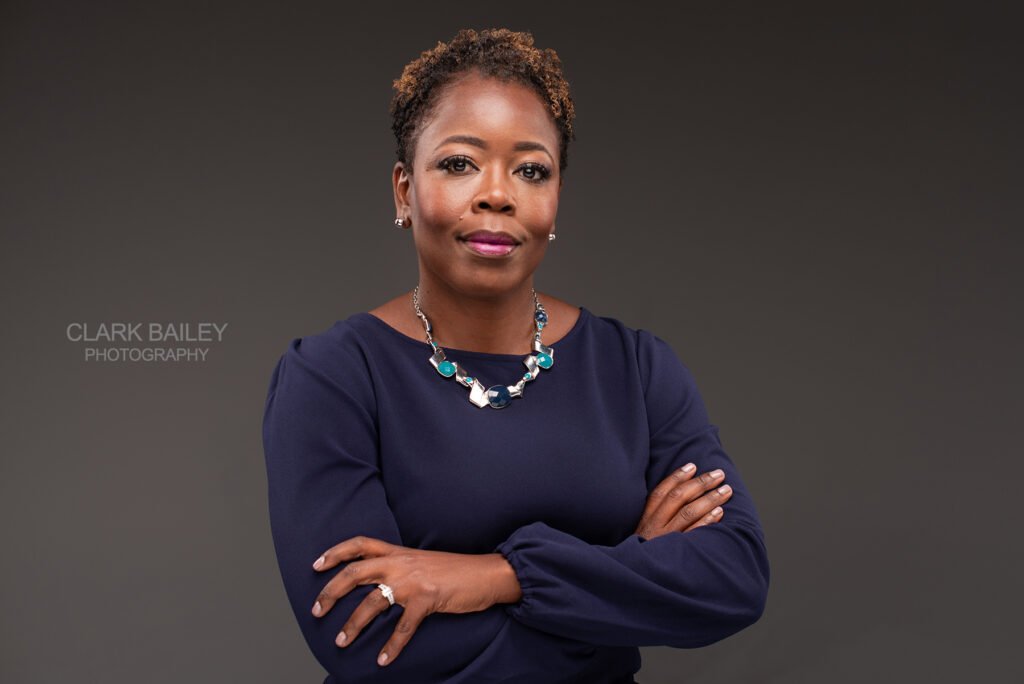
Leadership photography is the intentional creation of professional images that communicate an executive’s role, personality, credibility, values, and relationship to the organization they lead.
It can include a traditional headshot, but it extends well beyond one tightly cropped portrait.
A complete leadership photography collection may include:
- Formal executive portraits
- Approachable environmental portraits
- Images of the executive working
- Speaking and presentation photographs
- Leadership-team portraits
- Executive interaction with employees or stakeholders
- Behind-the-scenes leadership moments
- Vertical and horizontal images for different platforms
- Photographs with negative space for headlines or campaign copy
A headshot says, “This is who I am.”
Leadership photography says, “This is how I lead, whom I serve, and what we are building.”
What Is the Difference Between a Headshot and Leadership Photography?
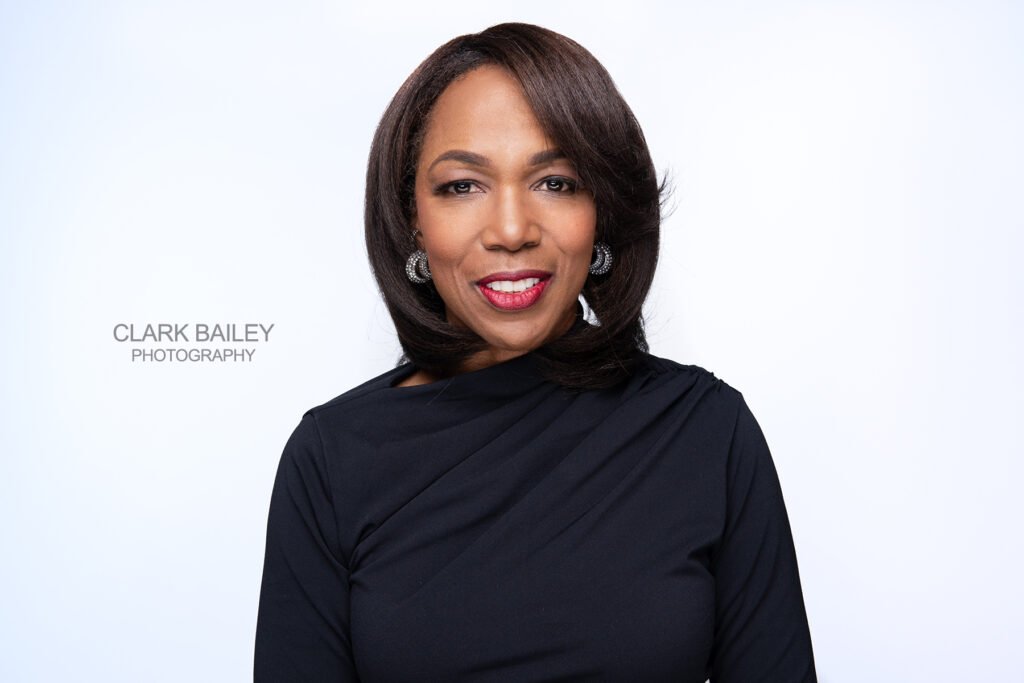
A headshot is typically created for identification. Leadership photography is created for communication.
A strong headshot remains essential. It provides a polished, consistent image for professional profiles, directories, proposals, speaking engagements, media appearances, and company websites. But a single headshot cannot carry the full weight of an executive’s public presence.
Leadership photography creates a broader visual vocabulary.
| Traditional headshot | Strategic leadership photography |
|---|---|
| Primarily shows appearance | Communicates identity, personality, and purpose |
| Usually one background and composition | Includes multiple settings, compositions, and situations |
| Designed mainly for profiles and directories | Designed for websites, media, campaigns, presentations, and social content |
| Solves an immediate image need | Creates a reusable visual asset library |
| Focuses on the individual | Connects the individual to the organization’s mission |
| Often planned as a one-time session | Can become part of an ongoing visibility strategy |
The two approaches are not competitors. A strong executive image library begins with a polished headshot and expands into photographs that reveal more of the leader’s story.
Why Executive Visibility Matters
People want to understand who is behind an organization.
Before attending a conference, supporting an initiative, accepting a speaking invitation, joining a company, or entering a business relationship, they may research the organization’s leadership. The images they encounter help shape their first impression.
Executive visibility gives audiences a recognizable person with whom they can connect. When it is handled strategically, it can make an organization feel more credible, transparent, and human.
Leadership photography builds recognition
Consistent visibility helps audiences recognize an executive across multiple platforms. The same visual identity can connect a LinkedIn article, keynote announcement, media interview, company website, and annual report.
That repetition builds familiarity. Familiarity, supported by substance and consistent leadership, can contribute to trust.
It humanizes the organization’s mission
Mission statements explain what an organization believes. Leadership photographs can show the people responsible for turning those beliefs into action.
An environmental portrait inside the organization, a photograph with team members, or an authentic image from a community initiative can communicate context that a conventional studio headshot cannot provide by itself.
The goal is not to make the executive the entire brand. The goal is to help audiences see the human leadership behind the brand’s work.
It supports thought leadership
Executives are frequently called upon to contribute ideas, represent their industries, and address important issues. Strong photography helps package that expertise professionally.
An executive who regularly publishes articles, speaks at conferences, appears on podcasts, participates in panels, or comments on industry developments needs more than one profile photograph. A varied image library prevents the executive’s content from feeling repetitive while maintaining a recognizable visual identity.
It prepares the organization for opportunities
Visibility opportunities do not always arrive with a long production timeline.
A media outlet may request a photograph. A conference organizer may need speaker assets. A new partnership may require an executive biography. The communications team may need to publish an announcement within hours.
A planned executive image library allows the organization to respond quickly with photographs that are current, polished, properly licensed, and aligned with the brand.
Executive Photography Is Part of Brand Strategy
Leadership images should not exist separately from the organization’s brand.
The photography should reflect the same qualities communicated through the organization’s language, design, services, culture, and audience experience. If a brand describes itself as innovative and accessible, but its leadership photography feels dated and distant, the visual message creates friction.
That does not mean every executive must appear casual or perform a personality that is not natural. Authenticity matters. The objective is to find the visual expression of leadership that is both truthful to the person and appropriate for the organization.
Before an executive photography session, the planning process should consider:
- What does the organization want to be known for?
- What should people understand about this leader?
- Who needs to connect with these images?
- Where will the photographs be used?
- Which upcoming initiatives will require visual content?
- Should the leader appear formal, approachable, visionary, decisive, or collaborative?
- What locations help tell the organization’s story?
- What formats will the communications and design teams need?
These questions transform a photoshoot from a calendar appointment into a strategic content investment.
What Photographs Should Every Executive Have?
A useful leadership image library should provide enough variety to support the executive’s most important communications needs.
1. A definitive professional headshot
This is the executive’s primary identification image. It should be current, polished, recognizable, and consistent with the level of responsibility the person carries.
The final library should usually include both tightly cropped and slightly wider variations.
2. A formal executive portrait
A formal portrait provides more presence than a standard headshot. It may show more of the body, incorporate the workplace, or use a composition that conveys confidence and authority.
These images are useful for editorial profiles, annual reports, board communications, major announcements, and feature articles.
3. An approachable portrait
Authority and accessibility do not have to conflict.
An approachable portrait can help audiences see the personality behind the title. This might include a more relaxed expression, natural posture, softer surroundings, or a setting that feels less formal while remaining professional.
4. Environmental leadership photographs
Environmental portraits place the executive in a meaningful location. That could be the organization’s headquarters, a conference venue, an operational environment, or another setting connected to the work.
The location becomes part of the story instead of serving merely as a background.
5. Working and interaction images
Photographs of an executive collaborating, reviewing work, engaging employees, meeting stakeholders, or preparing for an event can communicate leadership in action.
These images should feel credible. The activity, environment, and people involved should make sense for the executive’s actual role.
6. Speaking and presentation images
Executives who speak publicly should maintain a strong collection of photographs from keynotes, panels, conferences, and internal presentations.
These images demonstrate expertise, confidence, and the ability to represent an organization before an audience.
7. Leadership-team photographs
Leadership-team photography communicates unity and organizational structure. It can also help an organization move beyond a collection of mismatched individual headshots.
The portraits should feel visually connected while allowing each leader to retain an individual presence.
8. Campaign-ready vertical and horizontal images
Communications teams need flexibility.
Horizontal photographs may work best for website headers, press features, presentation slides, and LinkedIn banners. Vertical images are useful for mobile experiences, social platforms, editorial layouts, and speaker promotions.
Some photographs should also include intentional negative space for text, logos, or graphic elements.
Why Purpose-Built Brands Need Visible Leaders

Purpose-built brands are expected to do more than sell a service. They must communicate what they stand for, who they serve, and how their work creates meaningful value.
Visible leadership helps connect those ideas to a real person.
This is especially valuable for associations, nonprofits, professional-services firms, public-interest organizations, educational institutions, advocacy groups, and companies navigating change or growth. In these environments, leadership communication often shapes how the organization is perceived by employees, partners, members, funders, media, and the public.
Strong leadership photography can support that communication by showing:
- Confidence without unnecessary distance
- Authority without appearing inaccessible
- Professionalism without feeling generic
- Personality without undermining credibility
- Purpose without relying only on slogans
The objective is not constant self-promotion. It is intentional visibility in service of the organization’s mission.
Applying a Visual Growth Strategy to Leadership Photography
A Visual Growth Partner approaches executive photography differently from someone hired only to produce a few attractive pictures.
The process begins by understanding the organization’s goals and determining how the images will help support them.
That may include:
- Strengthening the executive’s thought-leadership platform
- Preparing for a brand launch or organizational transition
- Supporting an upcoming conference or speaking schedule
- Improving the leadership section of the company website
- Creating assets for media and public relations
- Building recruitment and culture content
- Establishing visual consistency across the leadership team
- Developing a year-round content library
This strategic approach is part of the [Visual Growth Framework™]. Photography is planned according to the audience, message, platform, and business objective—not simply according to what looks good during the session.
The result is a collection of images that can continue creating value after the photoshoot ends.
How to Plan an Executive Photography Session
A successful executive session should begin with strategy, not wardrobe.
Define the communication objective
Determine what the photographs need to accomplish. An executive preparing for a national speaking tour may require a different library from a new CEO introducing a cultural transformation.
Audit the existing imagery
Review what the organization already has and identify what is missing.
Are the photographs outdated? Are they visually inconsistent? Is there only one usable horizontal image? Do the photographs reflect the current brand? Can the communications team find what it needs quickly?
Identify the intended platforms
Create a list of where the images will appear, including:
- Company website
- Media and press kits
- Speaker profiles
- Conference materials
- Annual reports
- Proposals
- Presentations
- Email campaigns
- Social media
- Recruitment materials
- Internal communications
Usage should influence composition, orientation, cropping, background, and the amount of visual space around the executive.
Select meaningful locations
Locations should help tell the story. A visually impressive setting that has no connection to the organization may be less effective than a simpler environment that provides authentic context.
Coordinate wardrobe with the brand
Wardrobe should reflect the executive’s role, personality, audience, and intended use of the photographs.
Whenever possible, include variations. A formal suit may be appropriate for a board announcement, while a more relaxed jacket or business-casual option may work better for social content and employee communication.
Build a detailed shot list
A shot list should account for expressions, poses, backgrounds, environments, orientations, and content applications. This allows the session to remain efficient while producing genuine variety.
How Often Should Executive Photography Be Updated?
Most executives should review their photography every 12 to 24 months.
An earlier update may be necessary when there is:
- A major change in appearance
- A new leadership position
- A company rebrand
- A website redesign
- A significant campaign or launch
- An expanded speaking or media role
- A change in the organization’s strategic direction
- A need for content that the current library cannot support
The objective is not to replace strong photographs simply because time has passed. It is to ensure the images remain recognizable, relevant, and useful.
Executives with an active public profile may benefit from ongoing photography throughout the year. This creates fresh content around real leadership moments instead of relying exclusively on staged sessions.
Measuring the Value of Leadership Photography
Leadership photography should be evaluated by more than the number of final images delivered.
Its value can also be seen in how effectively those photographs are used.
Organizations can consider:
- How many departments and platforms use the image library
- Whether the communications team can respond faster to media requests
- Whether executive content maintains a consistent visual identity
- Whether the organization needs fewer last-minute photoshoots
- How long the images remain useful
- Whether speaker, media, and campaign materials appear more cohesive
- Whether leadership content generates stronger engagement or qualified inquiries
A single image may support a website, proposal, press release, social campaign, keynote announcement, annual report, and media feature. That repeated use increases the practical return on the original investment.
Choosing an Executive Leadership Photographer
Technical skill is important, but executive photography also requires preparation, discretion, efficiency, and an understanding of organizational communication.
Look for a photography partner who can:
- Work comfortably with executives and communications teams
- Provide clear pre-session planning
- Direct people who may not enjoy being photographed
- Create polished images without removing authenticity
- Photograph both portraits and leadership in action
- Anticipate multiple platforms and content formats
- Work efficiently around demanding schedules
- Maintain visual consistency across multiple leaders
- Understand how photography supports broader brand goals
The right partner should be able to discuss not only how the photographs will be created, but why each type of image is needed.
Leadership Photography in Washington, DC
Washington, DC is a market in which leadership, policy, advocacy, business, education, associations, and public service frequently intersect.
Executives in this region may need to communicate with multiple audiences—from employees and board members to policymakers, partners, conference attendees, donors, members, and the media.
That environment requires photography that is credible, polished, adaptable, and intentional.
Clark Bailey works with executives and purpose-built organizations throughout Washington, DC, Maryland, and Northern Virginia to create more than isolated headshots. As a Visual Growth Partner, he helps clients develop strategic image libraries designed to support visibility, communication, and long-term brand growth.
Frequently Asked Questions About Leadership Photography
Why is leadership photography important?
Leadership photography helps audiences recognize, understand, and connect with the people behind an organization. It supports executive visibility, thought leadership, media relations, speaking opportunities, recruitment, and brand consistency.
What is the difference between an executive headshot and an executive portrait?
An executive headshot is typically a closer image created for identification and professional profiles. An executive portrait may include more of the person, their environment, and visual context that communicates personality, authority, or organizational purpose.
What should an executive photography package include?
A strong package may include a primary headshot, formal and approachable portraits, environmental photographs, working images, speaking photographs, and vertical and horizontal compositions for different platforms.
How long does an executive photography session take?
The timing depends on the number of locations, wardrobe changes, leaders, and required images. A focused headshot session may be relatively brief, while a strategic leadership library may require several hours or multiple sessions.
What should an executive wear for leadership photographs?
Wardrobe should reflect the executive’s role, audience, personality, and brand. Solid colors, well-fitted clothing, and multiple levels of formality generally provide the greatest flexibility. Final choices should be coordinated with the backgrounds and planned uses.
How often should executive headshots be updated?
Executive photographs should generally be reviewed every 12 to 24 months, or sooner after a significant change in appearance, role, brand identity, or communication strategy.
Can leadership photography be completed at our office?
Yes. Photographing executives at their office can add meaningful context and reduce disruption to their schedules. The space should be evaluated in advance for light, backgrounds, logistics, and alignment with the desired visual message.
Can one session provide content for an entire year?
A well-planned session can create a substantial image library for year-round use. Executives with frequent speaking engagements, campaigns, or public appearances may also benefit from periodic documentary coverage to keep their content current.
Build an Executive Image Library That Supports Your Leadership
Your leadership photography should do more than prove that you had a professional portrait taken. It should strengthen how people recognize your leadership, understand your mission, and experience your organization.
Clark Bailey helps executives and purpose-built brands create strategic photography that supports websites, thought leadership, media relations, conferences, campaigns, and long-term visibility.
If your current image library no longer reflects where you or your organization are going, it is time to build one that does.
[Schedule an Executive Visibility Consultation]